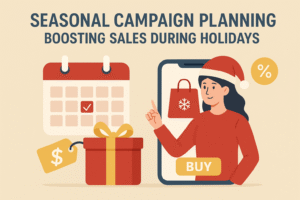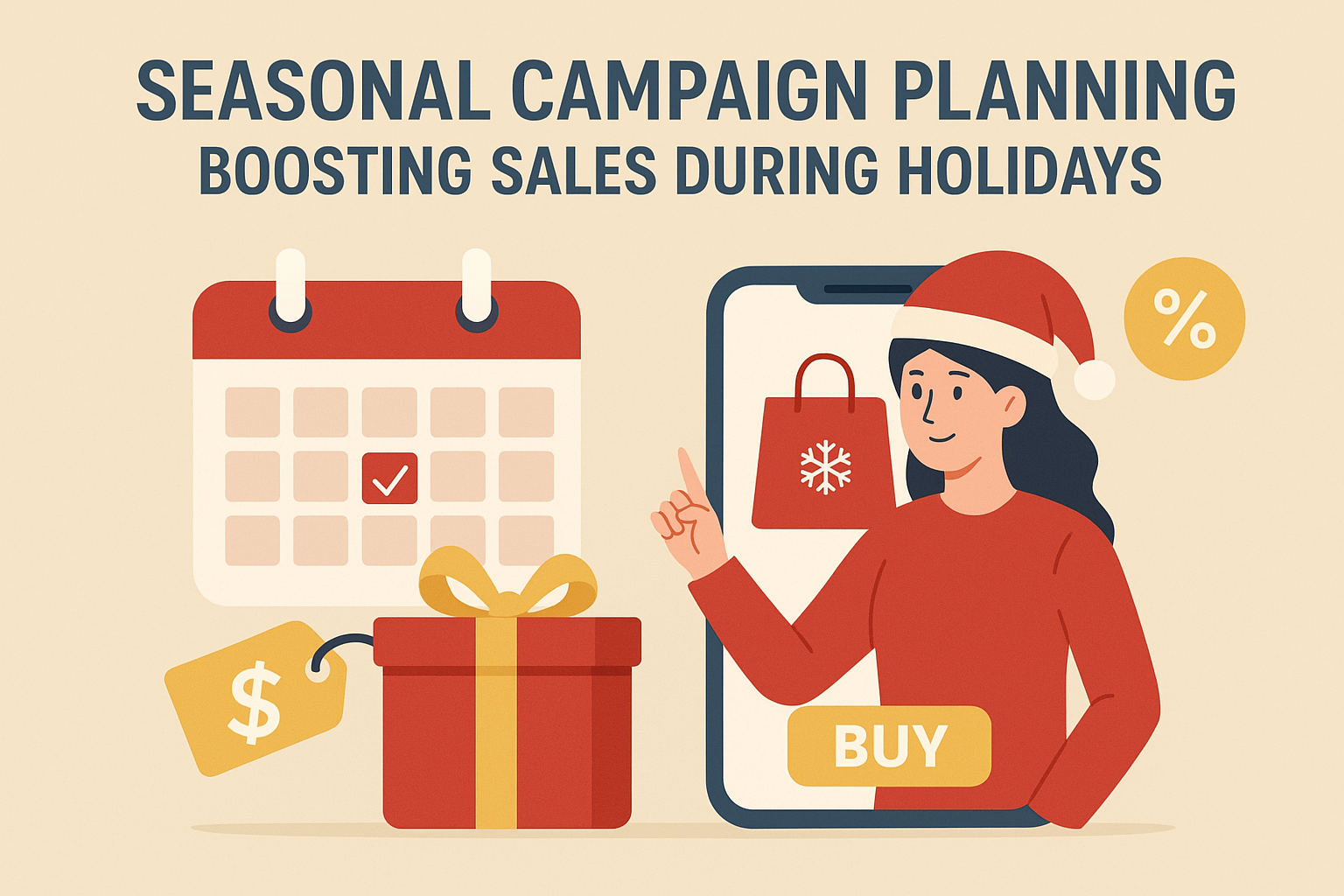
Holidays are not only a time of joy and celebration but also a golden opportunity for businesses. Whether it is Christmas, Black Friday, Eid, Diwali, New Year, or Valentine’s Day, people spend more during these occasions. Families buy gifts, decorate their homes, travel, and try new services. For businesses, this means one thing: a huge chance to increase sales.
But how do you make sure your business gets noticed in the middle of all the holiday noise? The answer is seasonal campaign planning. A well-planned holiday campaign helps you connect with your audience at the right time, with the right offers, and in the right way.
In this blog, we will explore what seasonal campaign planning is, why it matters, and how you can create a step-by-step strategy to boost your sales during the holiday season.
What Is Seasonal Campaign Planning?
Seasonal campaign planning means preparing special marketing and sales strategies for specific holidays or seasons. It is about creating offers, promotions, advertisements, and content that match the mood of the occasion.
For example:
- A clothing store may launch a “Christmas Sale” with discounts on winter outfits.
- A restaurant may promote a “Valentine’s Dinner Special” for couples.
- An online shop may run a “Back-to-School Campaign” in August or September.
The idea is simple: people are already looking to buy during holidays, so you give them a reason to choose your brand.
Why Seasonal Campaigns Are Important
- Increased Customer Spending
Studies show that customers spend more during holidays. They are willing to buy gifts, decorations, and premium services. - Stronger Emotional Connection
Holidays are emotional times. A campaign that matches the festive spirit can connect with customers on a deeper level. - High Competition
Almost every business tries to attract buyers during holidays. Without a proper plan, you risk being lost in the crowd. - Better Brand Awareness
Even if customers don’t buy immediately, your seasonal campaigns can increase your visibility, helping you in the long term.
Step-by-Step Guide to Seasonal Campaign Planning
Now, let’s go through the process of creating a successful seasonal campaign.
1. Identify the Right Holiday for Your Business
Not every holiday will suit every business. For example, a travel agency may focus on summer vacations or New Year, while a bakery may target Christmas and Easter.
Ask yourself:
- When do my customers spend the most?
- Which holidays match my products or services?
- Are there local festivals or global holidays I can use?
2. Start Planning Early
The biggest mistake many businesses make is waiting until the last moment. Customers start shopping weeks, sometimes months, before holidays. For example, many people start Christmas shopping in November.
Plan at least 2–3 months ahead so you have enough time to design offers, create content, and promote your campaign.
3. Understand Your Customers
Every holiday has a different audience. Valentine’s Day targets couples, while Back-to-School targets parents and students. Use customer data, surveys, or past sales reports to understand what your buyers want during that time.
4. Create Attractive Offers
Customers love discounts, but discounts are not the only option. Your campaign could include:
- Buy One Get One Free deals.
- Holiday bundles (example: gift baskets).
- Exclusive products only available during the holiday.
- Free delivery or free gift wrapping.
Make the offer clear, limited, and exciting.
5. Design Holiday-Themed Content
Your marketing should feel festive. This could include:
- Special holiday logos or website banners.
- Emails with festive designs.
- Social media posts with seasonal themes.
- Holiday-related hashtags to join trending conversations.
Example: A coffee shop could post cozy holiday images with captions like, “Warm up your winter with our new Christmas Latte!”
6. Use Multiple Marketing Channels
Don’t rely on just one platform. Spread your campaign across:
- Email Marketing – Send holiday offers directly to inboxes.
- Social Media – Share festive posts, videos, and stories.
- Search Engine Ads – Target people searching for holiday gifts or services.
- Influencer Marketing – Collaborate with influencers for wider reach.
- Local Ads – Flyers, posters, or community events (for local businesses).
The more places you appear, the better chance customers will notice you.
7. Focus on Mobile Shoppers
More than half of holiday shopping happens on mobile phones. Make sure your website and ads are mobile-friendly. Test your checkout process, loading speed, and design on different devices.
8. Use Urgency and Scarcity
People act faster when they feel they might miss out. Use lines like:
- “Only available till New Year’s Eve.”
- “Limited stock – order now.”
- “Flash Sale: 24 Hours Only.”
Urgency pushes buyers to make decisions quickly instead of delaying.
9. Provide Excellent Customer Service
During holidays, people shop more, ask more questions, and expect faster replies. Make sure your support team is ready. Offer:
- Live chat or quick email responses.
- Easy return and exchange policies.
- Clear shipping and delivery timelines.
Good service not only increases sales but also builds trust for future purchases.
10. Track and Analyze Performance
After the holiday, don’t stop. Look at what worked and what didn’t. Check:
- Which products sold the most?
- Which ads brought the highest traffic?
- Which offers were most popular?
This data helps you improve for the next holiday campaign.
Extra Tips to Maximize Holiday Sales
- Personalize Your Offers: Send personalized emails like “Hi Sarah, here’s a special Christmas deal for you.”
- Use Social Proof: Show customer reviews, testimonials, or “1000+ happy buyers this holiday.”
- Offer Gift Cards: Many people prefer giving gift cards when they don’t know what to buy.
- Extend the Holiday Spirit: Instead of only running campaigns on the exact day, extend sales for a week or two.
Common Mistakes to Avoid
- Starting Too Late – If your campaign begins a few days before the holiday, you miss early shoppers.
- Overloading Customers – Too many emails or ads can annoy customers.
- Ignoring Mobile Users – If your site is not mobile-friendly, you’ll lose a big part of buyers.
- Not Having Enough Stock – Running out of products in the middle of a campaign hurts your brand.
Conclusion
Seasonal campaign planning is not just about discounts; it is about connecting with customers in the right way during the right season. By preparing early, understanding your audience, and creating exciting offers, you can turn holidays into the most profitable time of the year.
Remember, people are already in the mood to shop during holidays. Your job is to make their choice easier, faster, and more enjoyable. With the right seasonal campaign strategy, your sales can grow, your brand can shine, and your customers can celebrate the holidays with your products or services.
So, start planning today and get ready to make the next holiday season your most successful one yet.